

powertools5546
About powertools5546
The 10 Scariest Things About UK Power Tools
A Comprehensive Guide to UK Power Tools: Boosting Your DIY Game
When it comes to home improvement and DIY jobs, the right tools can make all the distinction. For enthusiasts and experts alike, power tools have actually ended up being necessary for efficiency, accuracy, and efficiency. In the United Kingdom, the market for power tools has expanded tremendously, providing a wide variety of options from reputable brands. This blog site post intends to explore the different types of power tools available in the UK, leading manufacturers, and suggestions for picking the very best tools for your tasks.
Understanding Power Tools
Power tools are categorized into 2 primary types: corded and cordless.
Corded Power Tools
These tools are powered through an electric outlet, providing constant power without the requirement for battery replacements. They are generally more effective and better fit for extended use.
Cordless Power Tools
Battery-operated, these tools offer portability and convenience. Ideal for outdoor or remote jobs where access to power outlets is limited, they continue to gain appeal amongst DIY enthusiasts.
Table 1: Key Differences Between Corded and Cordless Power Tools
| Feature | Corded Power Tools | Cordless Power Tools |
|---|---|---|
| Power | Higher, continuous power | Minimal by battery life |
| Mobility | Minimal (requires outlet) | Highly portable |
| Weight | Much heavier | Lighter |
| Runtime | Endless (as long as plugged) | Dependent on battery |
| Maintenance | Typically less upkeep | Battery replacement needed |
Types of Power Tools Available
In the UK, there are several kinds of power tools designed for various applications. Here’s a list of common power tools that are important for the majority of DIY enthusiasts:
-
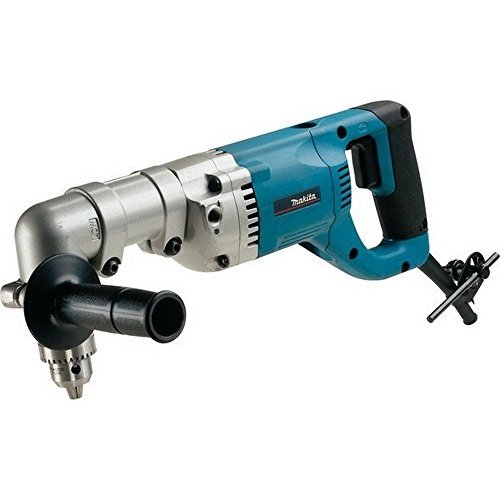
Drills
- Types: Electric drills, hammer drills, cordless drills
- Utilizes: Drilling holes, driving screws
-
Saws
- Types: Circular saws, jigsaws, reciprocating saws
- Utilizes: Cutting wood, metal, plastic, and more
-
Sanders
- Types: Belt sanders, orbital sanders, information sanders
- Uses: Smoothing surface areas and preparing materials for completing
-
Grinders
- Types: Angle grinders, bench grinders
- Utilizes: Cutting, grinding, and polishing products
-
Nail Guns
- Types: Pneumatic, electrical, and battery-powered
- Uses: Fastening materials quickly and effectively
-
Effect Wrenches
- Types: Corded, cordless
- Uses: Loosening nuts and bolts efficiently
Manufacturers Dominating the UK Power Tool Market
The UK boasts a number of trusted brand names understood for their quality and reliability. Below is a table summing up leading manufacturers and their noteworthy tool offerings:
| Brand | Notable Tools | Special Features |
|---|---|---|
| Bosch | Drills, saws, sanders | Ingenious innovation, toughness |
| DeWalt | Cordless drills, effect wrenches | Ergonomic style, high power output |
| Makita | Saws, mills, nail guns | Light-weight, high-performance batteries |
| Ryobi | Cordless tools, lawn and garden power tools | Value for cash, flexible tools |
| Milwaukee | Durable drills, grinders | Industry-leading innovation, resilience |
Factors to Consider When Choosing Power Tools
When choosing power tools, different aspects must be considered to guarantee they satisfy particular needs:
-
Project Requirements: Understand what tasks you will be carrying out. Durable projects may need more robust tools.
-
Tool Type: Decide whether you need a corded or cordless tool based on mobility and power requirements.
-
Battery Life (for cordless tools): Opt for tools with long-lasting batteries or think about buying extra batteries for extended use.
-
Convenience and Ergonomics: Choose tools that are comfy to hold and operate to lower tiredness during extended use.
-
Budget: Set a spending plan considering the quality and brand name reputation. While less expensive choices might save money in advance, they may not be as reliable in the long run.
Tips for Maintenance
Appropriate upkeep can considerably extend the life-span of power tools. Here are some tips:
- Clean After Use: Regularly remove dust, particles, and moisture from tools.
- Inspect Components: Check for any signs of wear and tear, especially on cords, batteries, and blades.
- Shop Properly: Keep tools in a dry, safe location. Prevent leaving them exposed to extreme conditions.
Regularly Asked Questions (FAQ)
1. What security gear should I use when dealing with power tools?
Always wear appropriate safety gear, including safety glasses, gloves, and ear defense. A dust mask is also recommended when dealing with products that create dust.
2. Are there any guidelines relating to the usage of power tools in the UK?
Yes, the Health and Safety Executive (HSE) outlines regulations that need to be followed in the work environment relating to using power tools, concentrating on security and efficiency.
3. Can I utilize power tools outdoors in damp conditions?
It’s usually risky to use power tools in wet conditions unless they are particularly designed for outside usage and are weatherproof.
4. How do I pick the ideal drill for my needs?
Think about the kinds of products you’ll be drilling and the frequency of use. For general DIY tasks, a cordless drill with variable speed settings is frequently sufficient.
5. What are the best brand names for DIY lovers?
Brands like Bosch, DeWalt, and Ryobi are extremely suggested for DIY jobs due to their reliability, efficiency, and variety of item offerings.
Investing in the best power tools can considerably boost your DIY abilities, making jobs more enjoyable and efficient. By understanding the various types of tools readily available, considering your specific task needs, and choosing credible brands, you can create a well-rounded toolkit that will serve you for years to come. Whether you’re an experienced expert or a beginner DIY lover, the UK Power Tools power tool market continues to offer innovative options tailored to your needs.
No listing found.