

fireplace7012
About fireplace7012
You’ll Be Unable To Guess Traditional Fireplaces UK’s Tricks
Traditional Fireplaces in the UK: A Timeless Charm
Standard fireplaces are a long-lasting sign of heat, convenience, and home. For many, they represent the heart of the home, an event place for families and buddies, especially during the vigorous winter season. In the UK, where the weather can be unforeseeable, a traditional fireplace supplies both visual appeal and functional heating. This blog site post checks out the various kinds of traditional fireplaces, their history, setup factors to consider, and maintenance suggestions, in addition to a thorough FAQ section to attend to common inquiries.
The Evolution of Traditional Fireplaces in the UK
Fireplaces have actually been a fundamental element of British homes for centuries. Their design and function have actually developed significantly gradually, reflecting modifications in architecture, innovation, and lifestyle.
Historic Context
-
Middle Ages Period (5th – 15th Century):
- The earliest fireplaces were big, open hearths found in the center of kitchen areas for cooking and heating.
- Smoke would get away through a chimney or merely fill the room, resulting in smoky interiors.
-
Tudor Period (1485 – 1603):
- The advancement of chimneys enabled for more effective heating and cleaner air.
- Fireplaces were typically adorned with elaborate carvings and mantels, becoming centerpieces in homes.
-
Georgian and Victorian Eras (1714 – 1901):
- Fireplaces ended up being more ornamental, crafted from products like marble and cast iron.
- The introduction of coal as a fuel source changed fireplace designs, resulting in smaller sized openings and more closed styles.
Kinds Of Traditional Fireplaces
Various kinds of traditional fireplaces accommodate a range of tastes and requirements. The following table outlines the most popular types found in homes throughout the UK:
| Type | Description | Pros | Cons |
|---|---|---|---|
| Open Hearth | A traditional, large fireplace with a mantle. | Visual appeal, efficient heat. | Needs regular cleaning, can be ineffective. |
| Cast Iron Stove | A freestanding system that burns coal or wood. | High heat retention, efficient. | Minimal aesthetic alternatives compared to built-ins. |
| Inglenook | A recessed fireplace with a big opening and mantel. | Provides a cozy feel, excellent for large spaces. | Can use up considerable space. |
| Wood-Burning | Designed particularly for burning logs. | Eco-friendly, sustainable heating. | Requires a chimney and regular upkeep. |
| Gas Fireplace | A modern-day take on traditional style using gas as fuel. | Easy to utilize, low maintenance. | Less ambiance compared to wood-burning. |
Installation Considerations
Location
Picking the right place for a fireplace is important, thinking about both looks and usefulness. The fireplace ought to ideally be put in a central area to distribute heat successfully.
Building Regulations
Before installing a standard fireplace, it’s important to look for regional building policies. In the UK, fireplaces need to comply with security standards and might require the approval of building control.
Installation Process
The installation of a standard fireplace normally includes the following steps:
- Planning and Design: Determine the kind of fireplace finest fit for your home.
- Construction of the Chimney: If a chimney does not currently exist, it may require to be constructed.
- Fireplace Construction: Depending on the chosen type, this could include masonry work or setting up a pre-fabricated system.
- Flue Installation: A flue is necessary to direct smoke outside securely.
- Finishing Touches: Installing mantels, hearths, and other ornamental aspects.
Maintenance Tips
Maintaining a conventional fireplace is important to guarantee security and performance. Below are some key maintenance suggestions:
- Regular Cleaning: Clean the fireplace frequently to get rid of soot, ash, and particles.
- Chimney Inspections: Have the chimney examined yearly to prevent blockages and ensure correct ventilation.
- Inspect for Damage: Inspect physicals for any signs of wear or damage.
- Store Firewood Properly: Keep firewood in a dry place to avoid moisture buildup.
Advantages of Traditional Fireplaces
Traditional fireplaces use various advantages that add to their long-lasting popularity.
Visual Appeal
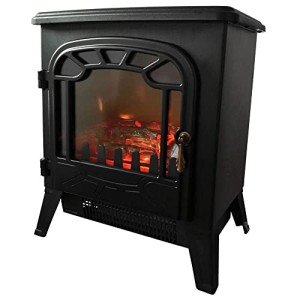
- Character: They add appeal and character to any room, functioning as a focal point in home style.
Psychological Comfort
- Warmth: A fireplace offers warmth and comfort, producing a cozy environment during chillier months.
Energy Efficiency
- Heating: Depending on the type, conventional fireplaces can be an effective source of heat, reducing dependence on main heating unit.
Frequently Asked Questions (FAQ)
1. Are traditional fireplaces safe?
Yes, when installed and maintained correctly, conventional fireplaces are safe to utilize. Routine evaluations and cleansing decrease threats.
2. What is the finest fuel for a traditional fireplace?
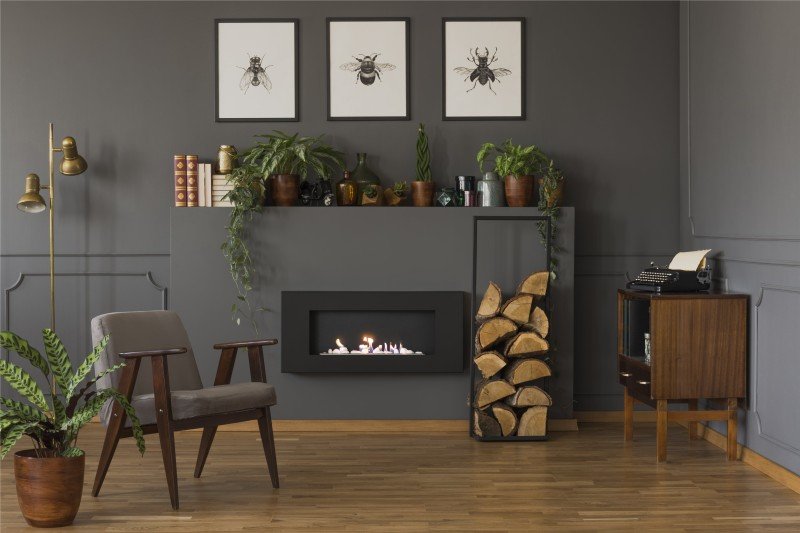
Wood is typically chosen for its aesthetic appeal and ambiance, while coal provides a higher heat output. Guarantee that your fireplace is created for the type of fuel you intend to utilize.
3. How can I enhance the efficiency of my standard fireplace?
Utilizing skilled wood, keeping the chimney, and ensuring proper airflow can improve the performance of your fireplace.
4. Do I require a license for a fireplace setup?
It is a good idea to examine local building regulations as authorizations may be needed for brand-new setups or significant modifications.
5. Can I convert my standard fireplace to gas?
Yes, many standard fireplaces can be converted to gas, but it’s necessary to talk to a certified installer to guarantee safety and compliance with regulations.
Traditional fireplaces in the UK remain a cherished function of homes, combining functionality with historical beauty. From open hearths that stimulate a sense of nostalgia to contemporary gas alternatives that offer convenience, there is a fireplace appropriate for every taste and requirement. With appropriate installation and maintenance, these ageless installations can provide heat and convenience for numerous generations to come. Whether you are thinking about including a fireplace to your home or simply appreciate their charm, standard fireplaces provide an unique blend of history, convenience, and aesthetic worth that couple of other home functions can match.
No listing found.